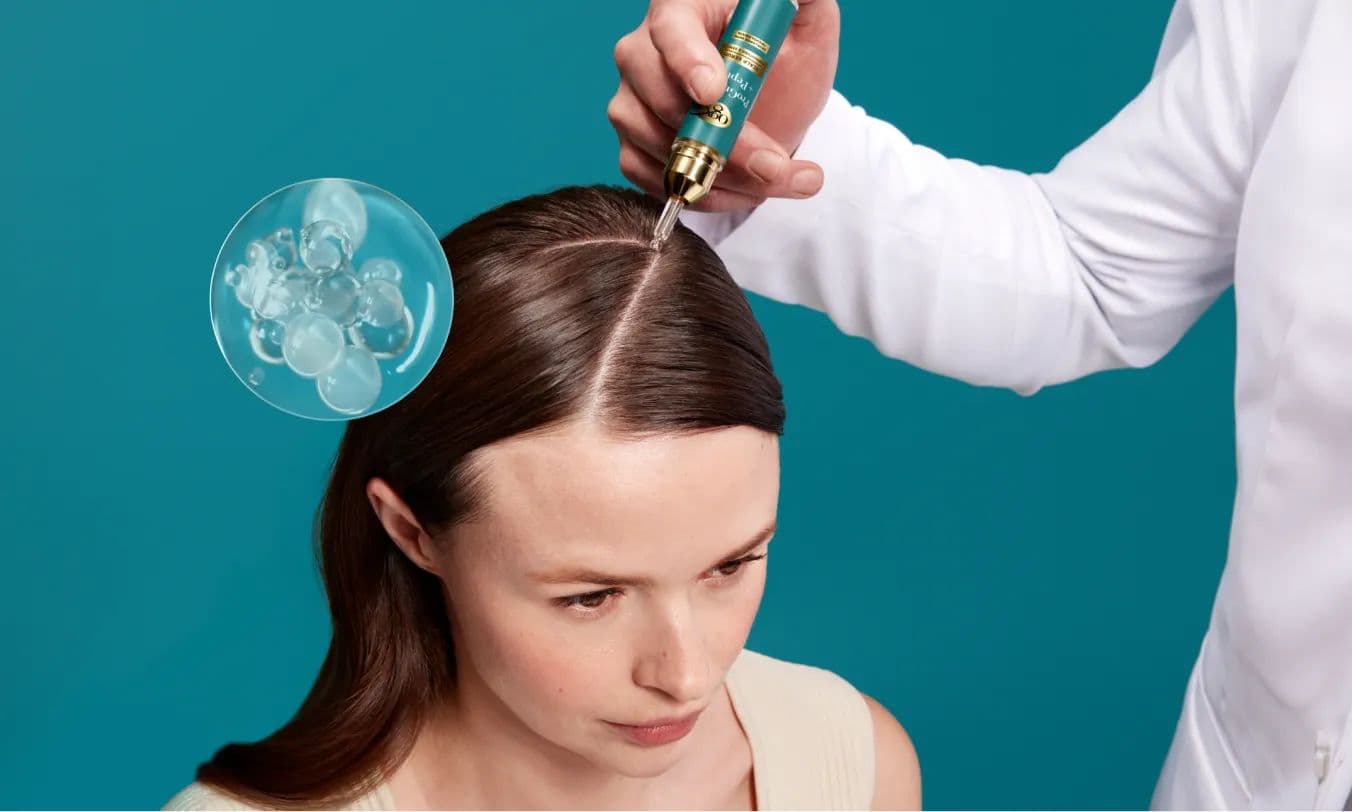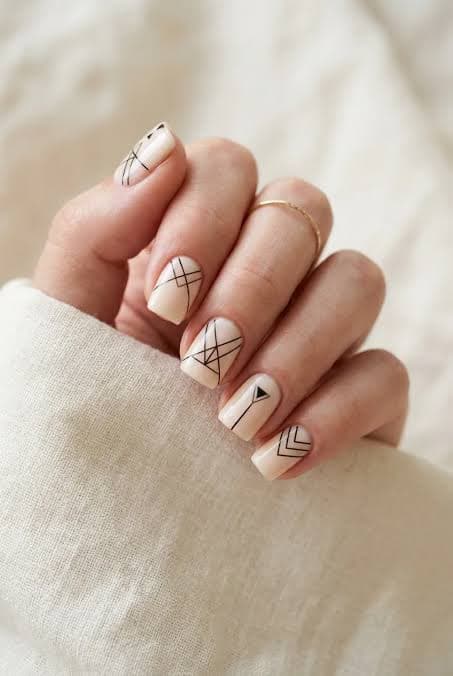
Why minimalist manicurists are eschewing aggressive mechanical cuticle cutting in favor of lipid-dissolving chemical exfoliants formulated with micro-encapsulated salicylic acid and meadowfoam seed oil.
The cuticle has long been the most contested territory in professional nail care. For decades, the standard approach involved aggressive mechanical removal — pushing, cutting, and nipping the delicate skin at the nail’s base in pursuit of a clean, extended nail bed. Contemporary editorial manicurists are abandoning this approach almost entirely.
The Case Against Cutting
Mechanical cuticle removal creates micro-tears in the proximal nail fold — the living skin that forms the nail’s first line of defense against bacterial and fungal infection. Each cutting session slightly damages this barrier, leading to chronic inflammation, irregular nail growth, and over time, a thickening of the cuticle as the skin attempts to protect itself.
Chemical Exfoliation as Alternative
The alternative gaining traction in high-fashion editorial sets is chemical exfoliation — specifically, products formulated with low concentrations of alpha-hydroxy acids or beta-hydroxy acids that dissolve the dead skin cells of the non-living cuticle without affecting the living proximal nail fold beneath.
The Meadowfoam Formulation
Meadowfoam seed oil has emerged as a particularly effective carrier for these exfoliating actives. Its molecular weight is almost identical to the skin’s natural sebum, allowing it to penetrate quickly and deeply without leaving a residue that would interfere with subsequent polish or gel application. Combined with salicylic acid at 0.5 to 1 percent, it produces visible cuticle clarification within 60 to 90 seconds of application.
Visual Results
The results of consistent chemical exfoliation over mechanical cutting are visible within four to six weeks. The proximal nail fold becomes smoother and more even, the nail bed appears longer, and the lunula — the pale crescent at the nail’s base — becomes more clearly defined. Photography in particular reveals the difference: cut cuticles show micro-irregularities that catch light inconsistently, while chemically exfoliated cuticles present a smooth, continuous curve.
Implementation in the Appointment
The chemical exfoliant is applied immediately after hand washing and before any filing or shaping. A small amount is massaged into the cuticle area of each nail and left for 90 seconds. A rosewood stick — never metal — is used to gently push back the softened dead tissue, then the hands are wiped clean and the service proceeds normally.