Why lipid-soluble vitamin C derivatives outperform traditional unstable L-ascorbic acid for hyperpigmentation and collagen synthesis.
Vitamin C occupies a unique position in evidence-based skincare: it is one of the most clinically validated brightening and anti-aging ingredients available, and simultaneously one of the most poorly formulated. The gap between the ingredient’s potential and its performance in most consumer products comes down to chemistry — specifically, the instability of L-ascorbic acid, the form most commonly used in serums.
The L-Ascorbic Acid Problem
L-ascorbic acid is water-soluble, highly reactive, and degrades rapidly on exposure to air, light, and heat. Products formulated with it must maintain a pH below 3.5 to remain stable — a level of acidity that causes significant irritation in most skin types and is incompatible with many other active ingredients. Despite these limitations, it became the standard in vitamin C skincare because it was the first form studied extensively in clinical settings.
THD Ascorbate: The Lipid-Soluble Alternative
Tetrahexyldecyl ascorbate, abbreviated as THD ascorbate or THDA, is a lipid-soluble vitamin C ester that remains stable at neutral pH and penetrates the lipid-rich stratum corneum significantly more efficiently than water-soluble L-ascorbic acid. It is converted to active ascorbic acid within the skin cell, but only after it has already crossed the barrier — meaning it delivers its payload exactly where it is needed.
Clinical Performance Comparison
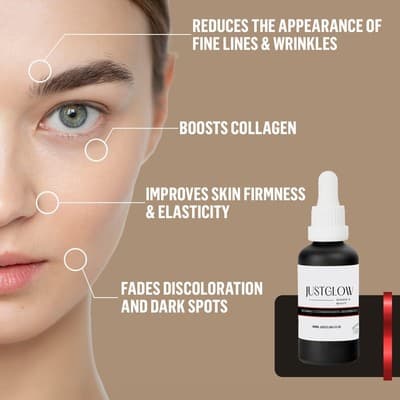
Independent studies comparing THDA to L-ascorbic acid at equivalent concentrations have found THDA to produce superior results for hyperpigmentation reduction, with less irritation across all skin types. For collagen synthesis — one of vitamin C’s most important functions — THDA at 3 percent has been shown to produce results comparable to L-ascorbic acid at 20 percent, the highest concentration typically used in consumer products.
Formulation Advantages
THDA’s stability dramatically simplifies formulation. Products can be formulated at skin-neutral pH, mixed with a wider range of actives including retinol and peptides, and packaged in standard containers without the opaque airless pumps required to protect L-ascorbic acid from oxidation. The result is more versatile, longer-lasting, and easier to incorporate into an existing routine.
How to Identify Quality THDA Products
Look for tetrahexyldecyl ascorbate listed among the first five to ten ingredients — concentration matters. A product listing it near the bottom of the ingredient list contains too little to produce clinical results. Effective concentrations range from 3 to 20 percent, with 10 percent considered the sweet spot for daily use combining efficacy with tolerability.