How ceramide encapsulation technology and bio-fermented ingredients are transforming barrier restoration for chronically sensitized skin.
The skin’s moisture barrier — technically the stratum corneum — functions as the body’s primary environmental shield. Composed of corneocytes embedded in a lipid matrix of ceramides, cholesterol, and fatty acids, it regulates water loss, filters UV and pollution exposure, and modulates the inflammatory response. When this barrier is compromised, everything downstream goes wrong: sensitivity increases, active ingredients penetrate too rapidly and cause irritation, and the skin’s ability to retain moisture collapses.
The Ceramide Deficit
Ceramides make up roughly 50 percent of the lipid matrix that holds the barrier together. Modern environmental stressors — urban pollution, over-cleansing, aggressive exfoliation, and prolonged screen exposure — steadily deplete ceramide levels, particularly in skin over 30 where natural ceramide synthesis slows significantly.
Encapsulated Delivery Systems
First-generation ceramide skincare suffered from a delivery problem: ceramide molecules are large and poorly absorbed through the skin’s surface. Modern encapsulation technology packages ceramides within phospholipid spheres sized to penetrate the inter-cellular spaces of the stratum corneum, releasing their payload directly into the lipid matrix where it is needed.
The Fermentation Advantage
Bio-fermented ceramide precursors have shown superior results to synthetic ceramides in several independent studies. The fermentation process — typically using Lactobacillus or Saccharomyces strains — pre-digests the ceramide structure into smaller molecular fragments that integrate more readily into the skin’s existing lipid architecture.
The Restoration Protocol
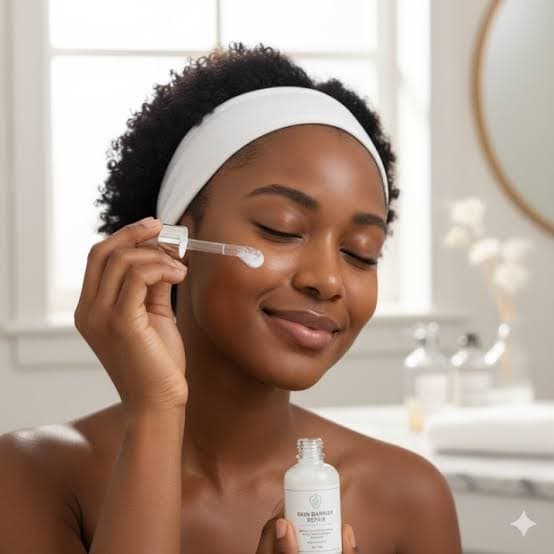
Barrier restoration requires a specific sequencing of ingredients. Begin with a gentle, non-foaming cleanser that does not strip lipids. Apply a ceramide-rich essence to damp skin immediately after cleansing to minimize transepidermal water loss during the absorption window. Follow with a richer ceramide moisturizer containing cholesterol and fatty acids in a ratio that mirrors the skin’s natural composition. Seal with a thin occlusive layer at night to support overnight repair.
Timeline of Improvement
Visible barrier restoration typically requires eight to twelve weeks of consistent protocol. The sequence of improvement follows a predictable pattern: tightness and sensitivity decrease first, usually within two to three weeks. Texture and hydration improve next, peaking at six to eight weeks. Fine lines from dehydration soften last, becoming visible in the four to twelve week window.